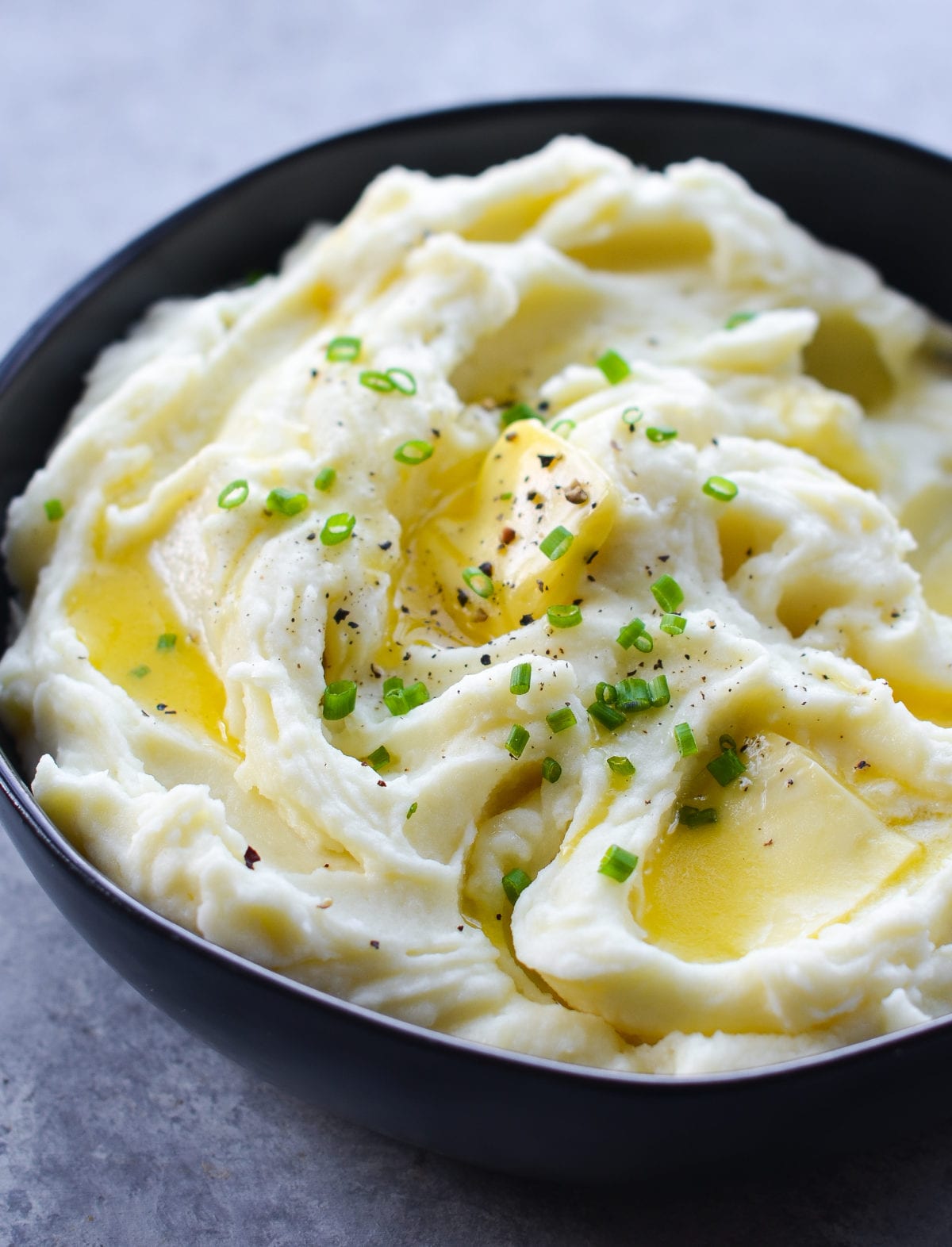
The Unbeatable Convenience of Make-Ahead Mashed Potatoes: Your Holiday Hosting Secret
Few dishes evoke such warmth, comfort, and nostalgia as a generous serving of creamy mashed potatoes. They are the quintessential sidekick to countless meals, from humble Sunday suppers to the grandeur of a holiday feast. But while their presence is always welcome, the process of preparing them on a busy day, especially during the high-stakes culinary marathon of Thanksgiving or Christmas, can often feel like just another source of stress. The good news? You absolutely can achieve that perfectly fluffy, buttery, and smooth texture without last-minute panic. Enter the ultimate make-ahead creamy mashed potatoes – your secret weapon for a truly stress-free holiday.
Imagine this: the turkey is resting, the gravy is simmering, and instead of frantically mashing potatoes, you're simply sliding a dish into the oven. This isn't a culinary fantasy; it's the reality this recipe offers. By preparing your mashed potatoes in advance, you not only reclaim precious time on the big day but also guarantee a consistently delicious result. It's a game-changer that can dramatically lower your holiday blood pressure, leaving you free to enjoy the company of loved ones and the fruits of your labor.
This method truly transforms the often-hectic holiday cooking experience. We're talking about mashed potatoes so irresistible, so velvety smooth, and so utterly comforting, that they'll be piled high on every plate. And the best part? The joy comes without the last-minute scramble. Let's dive into how to make creamy mashed potatoes that are not just delicious, but also perfectly tailored for make-ahead convenience.
Mastering the Art of Creamy Mashed Potatoes: Ingredients & Technique
Choosing Your Spuds Wisely: The Foundation of Fluffiness
The journey to truly spectacular mashed potatoes begins with the right potato. For the ultimate creamy, fluffy texture, you need high-starch varieties. Our top contenders are Russet and Yukon Gold potatoes.
- Russets: Known for their thick skin and dry, mealy flesh, Russets are starch champions. They break down beautifully when cooked, absorbing butter and cream like a dream, leading to incredibly light and fluffy mashed potatoes.
- Yukon Golds: These yellow-fleshed beauties offer a slightly more buttery flavor and a naturally creamy texture. They are less starchy than Russets but still mash wonderfully, providing a rich and luxurious feel.
Many home cooks, especially those from potato-rich regions like Idaho, swear by a mix of both for the best of both worlds – the fluffiness of Russets combined with the buttery richness of Yukon Golds. Whichever you choose, ensure your potatoes are firm, blemish-free, and of similar size for even cooking. For more insights on selecting the perfect potatoes and dairy for your mash, be sure to check out Idaho's Secret: Best Potatoes & Cream for Unforgettable Mashed Perfection.
Prepping for Perfection: Peeling and Cutting
While some prefer a rustic, skin-on mash, for truly creamy and smooth mashed potatoes, peeling is key. Use a sturdy vegetable peeler for efficiency. Once peeled, cut your potatoes into evenly sized pieces – halves or quarters work well depending on the size of the potato. This uniformity is crucial, as it ensures all potatoes cook at the same rate, preventing some pieces from being undercooked and lumpy while others are overcooked and watery.
The Boiling Blueprint: Ensuring Tender Spuds
Place your evenly cut potatoes in a large pot and cover them with cold water by about an inch. Add a generous pinch of salt to the water – this seasons the potatoes from the inside out and helps prevent them from tasting bland. Bring the water to a boil, then reduce the heat to a simmer. Cooking time typically ranges from 20-30 minutes, but the real test is the "fork check." Gently slide a fork into a potato piece; it should meet no resistance and nearly fall apart. If you feel any firmness, keep cooking. Under-cooked potatoes are the main culprit behind a lumpy mash.
Once tender, drain the potatoes thoroughly. You want them as dry as possible to prevent a watery mash. Return the drained potatoes to the hot, empty pot over low heat for a minute or two, allowing any residual moisture to steam off. This step is often overlooked but is vital for achieving that desired fluffy texture.
The Golden Rule of Mashing: No Gummy Spuds Allowed!
This is where many home cooks go wrong. The secret to avoiding gummy, glue-like mashed potatoes lies in *how* you mash them. Never, ever use an electric mixer, blender, or food processor. These high-speed appliances overwork the potatoes, breaking down too much starch and releasing excessive amounts, which results in that unpleasant sticky texture. Instead, embrace the humble potato masher.
A good old-fashioned potato masher, combined with a bit of elbow grease, allows you to break down the cooked potatoes gently. You're aiming to crush the cells, not obliterate them. Mash until just smooth, with perhaps a few tiny lumps if you prefer a slightly more rustic consistency. Remember, less is more when it comes to mashing; stop as soon as you achieve your desired smoothness. For an in-depth guide to achieving silky smooth mash every time, don't miss our article on Unlock Velvety Smooth Mashed Potatoes: Expert Tips for No Gummy Spuds.
The Creamy Concoction: Dairy and Fat
To infuse your potatoes with that signature creamy texture and rich flavor, dairy and fat are essential. Our go-to is half-and-half, which strikes the perfect balance between richness and lightness. However, you have options:
- Heavy Cream: For an incredibly decadent and rich mash.
- Whole Milk: A lighter alternative that still provides good creaminess.
Whatever dairy you choose, warm it gently before adding it to the potatoes. Cold dairy will cool down your potatoes and make them harder to incorporate smoothly. Start with a smaller amount and add more gradually until you reach your desired consistency. Don't forget the butter! Good quality butter is non-negotiable for flavor and richness. Fold it in while the potatoes are still warm, allowing it to melt and distribute evenly. Season generously with salt and freshly ground black pepper to taste.
Beyond the Basics: Expert Tips for Fluffy, Flavorful Spuds
Now that you know how to make creamy mashed potatoes, let's elevate them even further:
- Warm Your Bowl: For optimal serving, warm your serving bowl before adding the mashed potatoes. This keeps them hot longer.
- Seasoning Strategy: Don't just rely on salt and pepper. Consider adding a pinch of garlic powder or onion powder for depth. Fresh chives or finely chopped parsley stirred in just before serving add a burst of color and herbaceous flavor.
- Roasted Garlic Infusion: Roast a head of garlic until soft and caramelized, then mash the cloves into your potatoes. It adds an incredible, mellow sweetness.
- Cream Cheese or Sour Cream: For an extra tangy kick and even more creaminess, a dollop of cream cheese or sour cream can work wonders.
- Don't Be Afraid of Fat: Fat is flavor and texture. Don't skimp on the butter and cream, especially if you plan to make them ahead, as fat helps preserve their texture during reheating.
Storing & Reheating: Your Make-Ahead Mashed Potato Playbook
This is where the magic of make-ahead truly shines. With this recipe, you can prepare your perfect mashed potatoes well in advance, freeing up your time when it matters most.
Refrigeration
Once cooled, transfer your mashed potatoes to an airtight container and store them in the refrigerator. They will remain fresh and delicious for up to four days. When ready to serve, you have a few reheating options:
- Oven: The best method for retaining texture. Transfer the mashed potatoes to an oven-safe dish, cover tightly with foil, and bake at 350°F (175°C) for about 20-30 minutes, or until heated through. Stir gently before serving.
- Stovetop: Place the mashed potatoes in a saucepan over low heat, adding a splash of warm milk or cream and an extra pat of butter. Stir frequently until thoroughly heated.
- Microwave: For smaller portions, microwave in short bursts, stirring occasionally, until hot. Be careful not to overcook, as this can dry them out.
Freezing
Yes, you can freeze mashed potatoes! Thanks to the generous amounts of butter and cream in this recipe, your potatoes will thaw beautifully, retaining their creamy texture. Freeze mashed potatoes for up to one month in a freezer-safe container or heavy-duty freezer bag. Be sure to remove as much air as possible to prevent freezer burn.
When you're ready to enjoy them, thaw the frozen mashed potatoes overnight in the refrigerator. Then, transfer them to a covered oven-safe dish and reheat in a 350°F (175°C) oven for approximately 30-40 minutes, or until piping hot. A dollop of extra butter or a splash of warm milk stirred in before serving will bring them back to life, making them taste as fresh as the day you made them.
Conclusion
Gone are the days of last-minute mashed potato madness. By mastering how to make creamy mashed potatoes using quality ingredients and smart techniques, you unlock a world of stress-free entertaining. Whether for a holiday feast, a comforting Sunday dinner, or simply a weeknight treat, these make-ahead mashed potatoes are a testament to the power of thoughtful preparation. So go ahead, prepare them in advance, and give yourself the gift of a relaxed kitchen and truly unforgettable, velvety smooth mashed potatoes that everyone will rave about.
