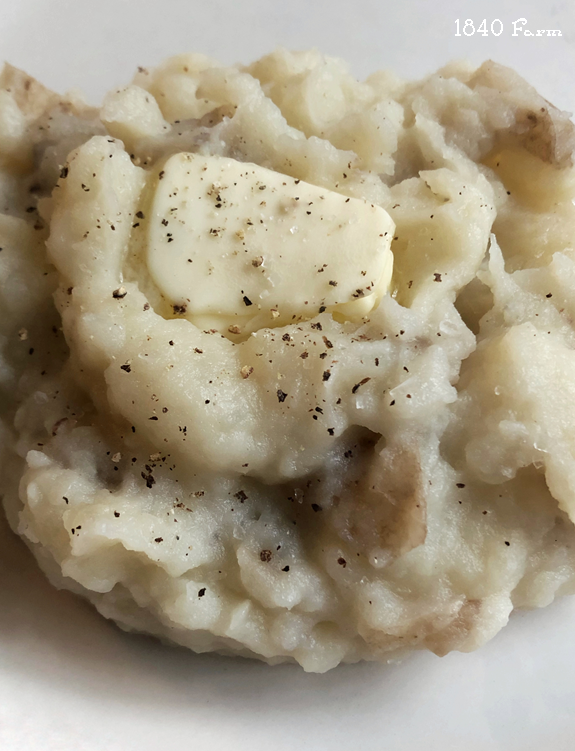
Unlock Velvety Smooth Mashed Potatoes: Expert Tips for No Gummy Spuds
Ah, mashed potatoes. The ultimate comfort food, a staple at holiday feasts, Sunday dinners, and any occasion that calls for something deeply satisfying. There's nothing quite like a steaming, fluffy mound of perfectly mashed potatoes, rich with butter and cream, melting in your mouth. Yet, for many home cooks, the dream of achieving that velvety smoothness often turns into a sticky, gummy nightmare. If you've ever struggled with mashed potatoes that resemble wallpaper paste rather than a cloud-like side dish, you're not alone. The good news? Crafting truly luscious, non-gummy mashed potatoes is entirely achievable with a few expert techniques and a sprinkle of culinary wisdom.
Forget the stress and the disappointment! This comprehensive guide will reveal the secrets to how to make creamy mashed potatoes that are consistently smooth, rich, and utterly irresistible. We'll banish gumminess forever, transforming your mashed potato experience from a kitchen challenge into a triumph of taste and texture. Get ready to impress your family and friends with a side dish so good, they'll be asking for your recipe every time.
The Foundation of Flavor: Choosing Your Spuds Wisely
The journey to perfect mashed potatoes begins with the right potato. Not all potatoes are created equal when it comes to mashing, and selecting the best variety is crucial for achieving that desired fluffy, creamy texture.
- Russet Potatoes: Often dubbed "baking potatoes," Russets are high in starch and low in moisture. This composition makes them ideal for mashing, as they break down easily, resulting in a light, fluffy, and somewhat drier mash. Their neutral flavor allows other ingredients, like butter and cream, to shine.
- Yukon Gold Potatoes: These golden-fleshed beauties offer a slightly lower starch content than Russets but boast a naturally buttery flavor and creamy texture. They mash beautifully into a dense, rich, and wonderfully smooth consistency. Many chefs find them the perfect balance between fluffiness and creaminess.
- The Blend: For the best of both worlds, consider using a mix of Russet and Yukon Gold potatoes. This combination can yield a mash that is both fluffy and intensely creamy, offering depth of flavor and ideal texture.
Why avoid waxy potatoes (like red or new potatoes)? While delicious in other applications, waxy potatoes are low in starch and high in moisture. When mashed, they tend to become gluey and dense rather than light and fluffy because their cells resist breaking down properly. For an in-depth look at potato varieties and how they contribute to your ultimate mash, check out Idaho's Secret: Best Potatoes & Cream for Unforgettable Mashed Perfection.
Mastering the Cook: From Chop to Fork-Tender
Proper preparation and cooking are paramount. Even the right potato can turn gummy if handled incorrectly.
Prepping Your Potatoes: To Peel or Not to Peel?
This is largely a matter of personal preference:
- For Velvety Smoothness: If your goal is the ultimate creamy, restaurant-quality mash, peeling your potatoes before cooking is the way to go. The skins, while nutritious, can detract from a perfectly smooth texture.
- For Rustic Charm: If you enjoy a more rustic, slightly chunkier mash with a bit of texture and earthy flavor, feel free to leave the skins on. Just be sure to scrub them thoroughly.
The Art of the Even Chop
Once peeled (or scrubbed), chop your potatoes into evenly sized pieces – halves or quarters work well for medium to large potatoes. This is critical! Uniform pieces ensure uniform cooking. If some pieces are smaller, they'll overcook and become waterlogged, while larger pieces remain undercooked, leading to a lumpy and uneven mash.
Boiling to Perfection
Place your chopped potatoes in a large pot and cover them with cold, salted water by about an inch. Bringing potatoes to a boil from cold water ensures they cook evenly from the outside in. Add a generous pinch of salt to the water; it seasons the potatoes from within. Bring to a boil, then reduce heat to a simmer and cook until fork-tender.
The Fork Test: This is your moment of truth. After about 15-20 minutes (depending on the size of your pieces), slide a fork into a potato piece. It should meet little to no resistance and almost fall apart. If you feel any firmness, keep cooking. Undercooked potatoes will result in a lumpy mash that's hard to work with. Overcooked potatoes can become waterlogged, making them more prone to gumminess when mashed.
Once perfectly tender, drain the potatoes thoroughly. You can even return them to the empty hot pot over low heat for a minute or two to evaporate any excess moisture. Drier potatoes are happier potatoes when it comes to mashing!
The Art of Mashing: Creamy, Not Gummy
This is where many aspiring mashed potato makers go wrong. The secret to how to make creamy mashed potatoes without any gumminess lies in gentle handling.
The Golden Rule: Never Overwork Your Potatoes!
Potatoes are packed with starch. When potato cells are ruptured excessively (by vigorous whipping or blending), they release too much starch, which then develops into long, sticky molecules – the culprits behind gummy, glue-like mashed potatoes. The key is to break down the cells just enough for a smooth texture, without pulverizing them.
- The Potato Masher: Your Best Friend: For classic, slightly rustic yet creamy mashed potatoes, a simple potato masher is often your best tool. It requires a bit of "elbow grease" but allows you to control the mashing process, minimizing the risk of overworking. Press down firmly and methodically, ensuring all lumps are broken up.
- The Potato Ricer or Food Mill: For Ultimate Smoothness: If you crave an absolutely ethereal, silken mash worthy of a five-star restaurant, invest in a potato ricer or food mill. These tools push the cooked potatoes through small holes, separating the cells gently without rupturing them excessively. The result is an incredibly light, fluffy, and smooth texture with virtually no risk of gumminess.
- The Blender/Food Processor Blacklist: NEVER, EVER put cooked potatoes into a blender or food processor for mashing. The high-speed blades are designed to emulsify and break down ingredients completely, which is precisely what you want to avoid with potatoes. This will inevitably lead to a gluey, unappetizing mess.
The Dairy & Butter Difference: Enriching Your Mash
Once your potatoes are mashed, it's time to add the luscious liquids and fats that transform them into a truly decadent side.
Warm Dairy is Key
Before adding, gently warm your chosen dairy (half-and-half, heavy cream, or whole milk) in a saucepan. Warm dairy incorporates more smoothly into the hot potatoes, helps maintain their temperature, and prevents the mash from cooling down too quickly. Cold dairy can seize up the starch and make your potatoes less creamy.
- Half-and-Half: Offers a perfect balance of richness and creaminess without being overly heavy.
- Heavy Cream: For an indulgent, extra-rich mash, heavy cream is your go-to. It adds incredible body and flavor.
- Whole Milk: A lighter option that still provides creaminess and moisture. Start with less and add more if needed.
Begin by adding a small amount of warm dairy, then gradually add more, mashing gently until you reach your desired consistency. It's much easier to add more liquid than to fix an overly wet mash.
Butter: The Soul of Mashed Potatoes
Butter is non-negotiable for truly great mashed potatoes. Use good quality butter for the best flavor. Cube cold butter and add it to the hot, freshly mashed potatoes, allowing it to melt into every crevice. Stir gently to incorporate. The fat in the butter contributes significantly to the velvety texture and rich taste. Some chefs even add a generous amount of butter before the dairy for an even richer result.
Seasoning & Finishing Touches
Don't forget the seasoning! Salt and freshly ground black pepper are essential. Taste as you go and adjust. For an extra layer of flavor, consider adding:
- Garlic powder or roasted garlic puree
- White pepper (for a subtle kick without black flecks)
- Fresh chives or parsley for a pop of color and freshness
- A pinch of nutmeg for a classic European touch
Make-Ahead Magic: Enjoying Stress-Free Spuds
One of the most wonderful things about how to make creamy mashed potatoes is their make-ahead friendliness. This can be a lifesaver, especially during busy holiday cooking schedules.
Refrigeration
Cooked mashed potatoes can be stored in an airtight container in the refrigerator for up to four days. To reheat, place them in a covered oven-safe dish with an extra pat of butter or a splash of milk/cream, and bake at 350°F (175°C) for about 20-30 minutes, or gently warm on the stovetop over low heat, stirring frequently.
Freezing for Future Feasts
Yes, you can freeze mashed potatoes! The butter and cream in a rich recipe help maintain their creamy texture upon thawing. Freeze cooled mashed potatoes in a freezer-safe container or heavy-duty freezer bag for up to one month. Thaw them overnight in the refrigerator. To reheat, transfer the thawed potatoes to a covered oven-safe dish, add a bit more butter or cream, and bake at 350°F (175°C) for approximately 30 minutes, or until heated through. Stir well before serving.
Preparing your mashed potatoes in advance can dramatically reduce your stress on event day, allowing you to focus on other dishes or simply enjoy your guests. For more detailed strategies on streamlining your holiday cooking, be sure to read our guide on Make-Ahead Creamy Mashed Potatoes: Your Stress-Free Holiday Secret.
Conclusion
Armed with these expert tips, you now have the knowledge to create velvety smooth, utterly delicious mashed potatoes every single time. From selecting the right starchy spuds and boiling them to fork-tender perfection, to employing gentle mashing techniques and enriching them with warm dairy and generous butter, each step plays a vital role in achieving that coveted texture and flavor. Say goodbye to gummy, lifeless potatoes and hello to a side dish that will undoubtedly become a much-loved family tradition. Master how to make creamy mashed potatoes, and you've unlocked a culinary secret that brings warmth and comfort to any table.
